You must be signed in to read the rest of this article.
Registration on CDEWorld is free. You may also login to CDEWorld with your DentalAegis.com account.
Introduction
Human saliva has long been recognized as a complex, dynamic biologic fluid formed by secretions of major and minor salivary glands. Saliva has myriad functions and is essential for maintaining oral homeostasis.1-3 Its roles in lubrication, buffering, antimicrobial defense, and tissue repair make it central to oral health.1-5 Salivary composition and biologic characteristics are influenced by several factors, such as age, sex, flow, salivary stimuli, diet, degree of hydration, and circadian cycle.6-8 Advances in molecular diagnostics, microbiome science, and point‑of‑care technologies have illuminated the potential role for saliva to serve as a non-invasive source for active testing as a powerful diagnostic tool.4,5 Salivary diagnostics offer clinicians new opportunities to evaluate disease risk, monitor treatment response, and personalize preventive and therapeutic strategies.4,5
This article provides a comprehensive overview of the current state of salivary diagnostics in dentistry, clinical benefits and limitations, implementation considerations, and emerging innovations for the future of oral health assessment.
The Biological Basis for Salivary Diagnostics
Saliva contains a diverse array of biomarkers reflective of both oral and systemic physiology and has some advantages as a diagnostic tool compared to other biologic fluids. Saliva has a range of about 3,000 proteins, and approximately 50% of these proteins are also found in blood.9,10 Additionally, salivary collection results in relatively little discomfort. Further, saliva collection and processing is relatively low-cost and low risk.11 Salivary collection may aim to collect whole saliva or saliva secreted by a specific salivary gland, and the saliva collected may be unstimulated (ie, collected at rest) or stimulated by chewing, taste, or pharmacological stimuli.12 Clinicians should also be aware that salivary proteins may be more susceptible to degradation compared to serum proteins, so biomarker stability during collection, storage, and processing to allow appropriate analysis of biomarkers.13,14
In general, saliva contains over 99% water, 0.3% protein, and 0.2% inorganic substances, including sodium, chloride, calcium, potassium, bicarbonate, phosphate, fluoride, iodide, and magnesium.15 Biomarkers that can be detected in saliva that may be used for diagnostic purposes include microbial components (eg, bacteria, viruses, fungi, or microbial virulence factors), host-derived proteins (eg, enzymes, cytokines, and antibodies), metabolites (eg, organic acids and volatile compounds), genetic material
Current State of Salivary Testing in Dentistry
To date, there are no Food and Drug Administration (FDA) approved salivary diagnostic tests for evaluating risk of periodontal disease or dental caries, or head and neck cancer.3 Nevertheless, point-of-care (POC) saliva testing is fully implemented in the CDT framework using code D0426 (collection, preparation, and analysis of saliva sample – point-of-care) to bill for in-office, chairside saliva analysis.3 It should be noted that oral fluid testing by clinical laboratories is regulated under the Clinical Laboratory Improvement Amendments of 1988 (CLIA) and requires dental healthcare providers to be certified to perform testing. The federal CLIA regulatory standards apply to clinical laboratories and any facility examining human specimens for diagnosis, prevention, treatment of a disease or for assessment of health. CLIA regulations are designed to help ensure test results are accurate and reliable. While salivary testing may not yet be widespread in dentistry, dental healthcare providers should be aware of the currently available salivary tests that may be performed, their clinical indications, and limitations.
Caries‑related salivary tests
Dental caries is a multifactorial disease, involving a complex interplay between cariogenic microorganisms in oral biofilm, fermentable carbohydrate exposure, and host characteristics.17 Ultimately, low intraoral pH and an imbalance between remineralization and demineralization of tooth structure results in carious lesions and disease progression.17 Caries diagnosis using traditional visual inspection, transillumination, and radiographic analysis is reliable for carious lesions that have progressed into dentin and require procedural interventions, but early-stage and incipient caries are challenging to diagnose using traditional methods.18 In these circumstances, salivary diagnostics and microbial testing may allow dental healthcare providers to identify high-risk patients at earlier time points and begin conservative intervention to prevent and/or reverse caries progression.19 Because saliva is in contact with oral biofilm and dental caries lesions, salivary biomarkers are an attractive target for early caries detection, but because dental caries have a multifactorial etiology, clinicians it is unlikely that a single biomarker can accurately predict risk or severity of its disease progression.
Both salivary alpha-amylase and mucins have been identified as molecules that may predict caries risk.20-24 While some studies have demonstrated conflicting results, caries-free individuals have been shown to have higher expression of salivary alpha-amylase, indicating that alpha-amylase binding to oral microbes in solution may lead to microbial clearance and be protective against caries development and progression.21,25 Conversely, mucins are salivary glycoproteins that are correlated with the formation and progression of dental caries and account for 20% to 30% of the total proteins found in unstimulated saliva.26,27 Current studies suggest that different mucin levels may correspond to various stages of caries development.28
Salivary microbial testing includes assays that measure bacterial loads using culture-based methods, quantitative polymerase chain reaction (qPCR), or enzymatic assessments.29 While some tests focus on isolated bacterial species, newer microbial testing platforms use next-generation sequencing (NGS) and “omics” testing to characterize the full cariogenic microbial profile, which may allow clinicians to interpret results with a more nuanced stratification for caries risk.29 Certain bacterial species have been linked to increased caries risk and progression, including Streptocoocus mutans, Streptococcus sobrinus, and Lactobacillus spp.29
Periodontal disease salivary testing
Periodontal diseases involve a broad spectrum of inflammatory conditions that impact the supporting structures of teeth and dental implants.30 Dysbiotic oral biofilm results in a disruption of the homeostatic host immune response and leads to hard and soft tissue destruction and ultimately, tooth loss.31 These periodontal conditions are most commonly detected clinically using periodontal probing depths and attachment loss measurements and evidence of radiographic bone loss. However, these diagnostic measures are limited in that they can only detect past history of destruction caused by periodontal disease and cannot classify current disease activity in many cases.32 Furthermore, a significant amount of disease progression must occur before such clinical measures can detect the earliest forms of periodontitis.32 Such limitations to current diagnostic strategies make salivary testing appealing to clinicians as a possible mechanism to diagnose disease in real time at its earliest stages, classify disease severity, and monitor response to treatment.4
Currently, periodontal salivary tests focus on both host-derived biomarkers and pathogenic periodontal microbiota. Host derived biomarkers are generally selected based upon their role in the pathogenesis of periodontal disease and may reflect local or systemic inflammation, collagen degradation, or bone turnover.33 Such biomarkers may be considered to identify if periodontal therapy has been effective in achieving the desired endpoint or to determine risk of future disease progression and prognosis. It is notable that despite many potential host-derived salivary biomarkers for periodontal disease that have been detected so far, their clinical use in disease detection has presented shortcomings including heterogeneity in response profiles in the population and limitations in biomarker detection using POC technologies.
Salivary microbial tests for periodontitis typically assess the presence and quantity of high‑risk pathogens such as Porphyromonas gingivalis, Tannerella forsythia, Treponema denticola, Prevotella intermedia, Aggregatibacter actinomycetemcomitans, and Fusobacterium nucleatum.34Several periodontal pathogens that can be detected in saliva have been strongly associated with periodontal disease progression, and their elimination has been associated with arrest of disease activity and decreased risk of disease recurrence.35-37 While commercially available salivary testing for microbial species is available,38 laboratory analysis has demonstrated significant differences in salivary and subgingival biofilm composition with the latter demonstrating higher levels of heterogeneity and higher correlation to periodontal disease activity.34,39
Viral and fungal testing
Salivary diagnostics were used extensively during the COVID-19 pandemic to screen patients for SARS-CoV-2 infection, and the advances in such testing technologies has now been applied to detect other viruses that may impact oral health, including herpes viruses (HSV-1, HSV-2, CMV, HHV-6, and HHV-7), human papilloma virus (HPV), and enteric viruses (eg, norovirus, rotavirus, and astrovirus).40-42 Given the potential oral implications, including aphthous ulcers, increased risk for oral cancers, and oral transmission of enteric illnesses associated with these viruses, there may be indications for the use of saliva as a screening tool in the dental office.40-42
Fungal species, including Candida spp., can also be detected in salivary samples.43 While fungal cultures may be necessary to determine the exact type, quantity, and antifungal medication sensitivity in the fungi present, commercially available salivary screening panels can detect the presence of oral fungi, which may be particularly impactful in xerostomic and/or immunocompromised patients who are more susceptible to symptomatic fungal infections.44-46 Salivary tests for both viruses and fungi are less commonly used in routine dental practice but may be increasingly relevant for oral medicine and oncology and dental healthcare providers should be aware of their potential utility.
Genetic and Epigenetic Salivary Tests
Genetic testing using saliva has been used to identify genetic polymorphisms that are associated with disease progression within a particular population. Variants that have been identified include IL-1 genotype, TNF‑α polymorphisms, and vitamin D receptor (VDR) variants.47,48 Such genetic tests aim to identify individuals with heightened inflammatory susceptibility, but their utility may be limited in populations with relatively low frequency of the identified polymorphisms.47,48
Epigenetic DNA alterations through DNA methylation and/or carboxylation patterns has been associated with periodontal disease or oral cancer.49,50 Such epigenetic changes alter gene expression locally with the affected cells without mutations present. Tests identifying such epigenetic alterations may be powerful diagnostic tools, though they are not yet widely available clinically.49,50
Salivary cancer testing
Noninvasive screening and diagnosis of cancer can improve early identification, effective treatment, and increased patient survival. Noninvasive cancer detection methods using salivary biomarkers have potential clinical indications for head and neck cancer51 and other somatic cancers, including breast, lung, pancreatic, and gastric cancer.52 Current salivary cancer testing include identification of extracellular vesicles (EVs), including exosomes, nanoscale EVs of endocytic origin. These EVs have been shown to mediate intercellular signaling through RNA and functional protein exchange and have been associated with cancer pathogenesis.53 Detection of disease-specific exosomes has been suggested as a mechanism to enhance noninvasive cancer detection at early, and even preclinical, time points.53
Currently, diagnosis of oral cancerous lesions is made by clinical and histopathological examination. Augmenting these methods with salivary biomarker detection has been suggested as mechanism to enhance screening and/or direct treatment protocols. Large scale studies are still required to further validate biomarker candidates for POC applications, but this is a promising technology to enhance patient morbidity and mortality associated with head and neck cancer.54-56
Salivary Biomarker Testing for Systemic Conditions
Dentistry increasingly intersects with systemic health, and saliva may provide a window into broader physiological processes that may be relevant to oral health. The potential opportunity to utilize saliva for POC screening in dental practice could allow better understanding of patients’ systemic health. Both dental and medical healthcare professionals have identified saliva as a non‑invasive tool for detecting and monitoring systemic diseases as it contains a wide spectrum of metabolites, hormones, inflammatory mediators, and nucleic acids that can reflect systemic physiology. Salivary testing is standard for many medical conditions currently. For example, robust evidence supports the use of salivary cortisol and cortisone as markers for Cushing’s syndrome.57 Further, salivary metabolomics has demonstrated utility for screening and diagnosis across myriad systemic conditions, including cardiovascular disease, diabetes mellitus, autoimmune conditions, and neurodegenerative disorders.58 Salivary biomarkers, ranging from glucose, 1,5‑anhydroglucitol, inflammatory cytokines, oxidative stress markers, adipokines, to microRNAs, offer promise for early disease detection, longitudinal monitoring, and personalized medicine.58
Despite this progress, clinical translation remains limited by variability in salivary composition, lack of standardized collection protocols, and the influence of oral disease and medications on biomarker levels. Emerging technologies, including microfluidics, biosensors, and next‑generation sequencing, may be poised to improve diagnostic precision and feasibility for chairside or population‑level screening.59 Collectively, current evidence positions salivary biomarker testing as an emerging adjunct for systemic disease assessment, with strong potential to expand dentistry’s role in interdisciplinary health monitoring and early detection.
Clinical Indications and Limitations of Salivary Testing in Dental Practice
Salivary testing in dental practice is increasingly used as a non‑invasive adjunct for evaluating oral disease risk, monitoring treatment response, and identifying systemic contributors to oral inflammation.60 Clinically, saliva provides a biologically rich matrix containing proteins, nucleic acids, enzymes, and inflammatory mediators that reflect both local and systemic health.60 Despite notable advantages, salivary testing has some significant limitations that constrain its routine clinical use. Biomarker expression in saliva is highly heterogeneous and influenced by circadian rhythm, hydration, medications, and salivary gland dysfunction, requiring standardized collection protocols to ensure reproducibility.60-62 Additionally, saliva reflects whole‑mouth conditions, limiting its ability to localize oral disease activity compared with site‑specific sampling. The current long-term scientific evidence for many commercial salivary tests remains variable, with insufficient large‑scale clinical validation and lack of consensus on standardized processing methods.60-62 Cost barriers, limited insurance coverage, and the need for clinician training in biomarker interpretation further challenge widespread adoption.60-62 Dental healthcare professionals should continue to evaluate the opportunities to incorporate salivary diagnostics as an adjunct to traditional examination and radiographic assessments.
Clinical Considerations for Implementing Salivary Testing
In clinical practice, dental healthcare professionals should identify diagnostic challenges and individual patients in whom salivary testing may be most beneficial and likely to improve clinical outcomes. Clinicians should identify salivary testing protocols based upon their practice focus, patient population, and clinical goals (eg, risk assessment, diagnosis, monitoring), taking into consideration evidence supporting the test’s utility. For example, a periodontist may prioritize microbial and inflammatory tests, while a pediatric dentist may focus on cariogenic bacteria.
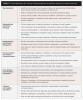
Once an indication for salivary testing has been identified, clinicians should ensure that they have adopted standardized collection protocols and that they are able to appropriately integrate findings from salivary testing into clinical decision-making to enhance patient care. Lastly, practitioners must ensure that they are able to properly document findings and that their communication with patients is robust and includes a discussion of proper interpretation and the limitations of such testing. Dental healthcare professionals must also be well-versed in the ethical and privacy considerations involved in salivary testing, particularly if genetic information is involved. Clinicians should adhere to strict established guidelines when they are handling sensitive data. Table 1 outlines considerations for clinical implementation of salivary testing in dental practice.
Table 1: Considerations for clinical implementation of salivary testing in dental practice
|
Test Selection |
Identify the primary clinical goals (caries risk, periodontal inflammation, peri‑implant monitoring, systemic contributors). Select validated tests with published sensitivity/specificity data. Ensure the test aligns with practice workflow (chairside vs. send‑out lab). Confirm regulatory compliance and data privacy requirements for genetic testing. |
|
Standardized Collection Protocol |
Collect saliva prior to eating, drinking, or delivery of oral hygiene. Use consistent timing (preferably morning) to reduce circadian variability. Choose unstimulated vs. stimulated saliva based on test requirements. Document medications, hydration status, and oral conditions that may affect biomarkers. Train dental team on proper collection, labeling, and storage procedures. |
|
Interpretation and Clinical Integration |
Review biomarker thresholds and microbial virulence profiles. Integrate results with clinical findings, radiographs, and patient history. Use results to tailor preventive plans, antimicrobial therapy, and maintenance intervals. |
|
Documentation and Patient Communication |
Record test type, collection conditions, and results in the patient chart. Communicate findings clearly to patients using visual reports and personalized explanations. Provide patients with a summary of findings and recommended next steps. Reinforce how salivary results relate to oral and systemic health. Use results to support behavior change (diet, hygiene, compliance). |
|
Cost, Billing, and Workflow Integration |
Determine pricing and communicate costs transparently to patients. Identify any available reimbursement pathways or medical billing options. Integrate testing into new‑patient exams, annual evaluations, and/or maintenance intervals. Ensure all members of the dental team understand scheduling, sample handling, and follow‑up procedures. |
|
Training and Quality Assurance |
Provide team training on collection, interpretation, and patient communication. Review test performance regularly and update protocols as evidence evolves. Maintain calibration and quality control for any in‑office testing devices. Stay current with emerging salivaomics and multi‑omics technologies. |
Future Directions in Salivary Diagnostics
Future directions in salivary diagnostics are rapidly expanding, as advances in multi‑omics, biosensor engineering, and artificial intelligence transform saliva into a highly informative medium for precision oral healthcare. Emerging platforms integrate genomics, proteomics, metabolomics, and microbiomics to generate comprehensive disease signatures capable of predicting caries and periodontal risk with far greater accuracy than single‑biomarker tests.60-63 Chairside molecular devices using microfluidics and electrochemical biosensors are expected to deliver real‑time detection of inflammatory mediators, pathogenic microbes, and even systemic disease markers, enabling dentists to monitor disease activity during routine visits.63,64 Artificial intelligence and machine‑learning models are increasingly applied to salivary datasets to identify predictive patterns for oral and systemic diseases, supporting personalized prevention and early intervention.65,66 Future salivary tests may guide delivery of P4 dental care that is personalized, predictive, preventative, and participatory. Such future innovations position salivary diagnostics as a cornerstone of future dental practice, with the potential to integrate oral and systemic health monitoring in a single, non‑invasive test.
Conclusions
Salivary diagnostics represent one of the most exciting frontiers in contemporary dentistry. By providing real‑time insights into microbial ecology, host response, genetic susceptibility, and systemic influences, salivary testing enhances clinicians’ ability to deliver personalized, preventive, and evidence‑based care.
While challenges remain—including biological variability, cost barriers, and evolving evidence—ongoing advances in molecular science, multi‑omics integration, and AI‑driven analytics promise to expand the clinical utility of saliva as a diagnostic medium. As these technologies mature, salivary testing will likely become a routine component of comprehensive oral health assessment, strengthening dentistry’s role in oral and systemic wellness.
References
1. Buzalaf MA, Hannas AR, Kato MT. Saliva and dental erosion. J Appl Oral Sci. 2012; 20(5): 493-502.
2. Tabak LA. In defense of the oral cavity: the protective role of the salivary secretions. Pediatr Dent. 2006; 28(2): 110-118.
3. American Dental Association Oral Health Topics: Salivary Diagnostics. Available at: https://www.ada.org/resources/ada-library/oral-health-topics/salivary-diagnostics Accessed July 24, 2026
4. Buzalaf MA, Ortiz AC, Carvalho TS, Fideles SOM, Araujo TT, Moraes SM, Buzalaf NR, Reis FN. Saliva as a diagnostic tool for dental caries, periodontal disease and cancer: is there a need for more biomarkers? Expert Rev Molec Diagnost. 2020; doi:10.1080/14737159.202.1743686
5. Radu C-M, Radu CC, Zaha DC. Salivary and Microbiome Biomarkers in Periodontitis: Advances in Diagnosis and Therapy—A Narrative Review. Medicina. 2025; 61(10):1818. https://doi.org/10.3390/medicina61101818
6. Hemadi AS, Huang R, Zhou Y, et al. Salivary proteins and microbiota and biomarkers for early childhood caries risk assessment. Int J Oral Sci.2017; 9(11): e1.
7. Inoue H, Ono K, Masuda W, et al. Gender differences in unstimulated whole saliva flow rate and salivary gland sizes. Arch Oral Biol. 2006; 51(12): 1055-1060.
8. Austin SB, Rosario M, McLaughlin KA, et al. Sexual orientation and salivary alpha-amylase diurnal rhythms in a cohort of US young adults. Psychoneuroendocrinology. 2018; 97: 78-85.
9. Amado F, Lobo MJ, Domingues PM, et al. Salivary peptidomics. Expert Rev Proteomics. 2010; 7(5): 64-69.
10. Amado FM, Vitorino RM, Domingues PM, et al. Analysis of the human saliva proteome. Expert Rev Proteomics. 2005; 2(4): 521-539.
11. Dawes C, Wong DTW. Role of saliva and salivary diagnostics in the advancement of oral health. J Dent Res. 2019; 98(2): 133-141.
12. Navazesh M. Methods for collecting saliva. Ann NY Acad Sci. 1993; 694: 72-77.
13. Helmerhorst EJ, Oppenheim FG. Saliva: a dynamic proteome. J Dent Res. 2007; 86: 680-693.
14. Schulz BL, Cooper-White J, Punyadeera CK. Saliva proteome research: current status and future outlook. Crit Rev Biotechnol. 2013; 33(3): 246-259.
15. Chiappin S, Antonelli G, Gatti R, et al. Saliva specimen: a new laboratory tool for diagnostic and basic investigation. Clin Chim Acta. 2007; 383(1-2): 30-40.
16. Rosa CGA. Salivary Biomarkers in the Diagnosis and Prognosis of Oral Disease. Dentistry IntechOpen. 17 Apr. 2025. https://doi.org/10.5772/intechopen.1010199.
17. Takahashi N, Nyvad B. The role of bacteria in the caries process: ecological perspectives. J Dent Res. 2011; 90(3): 294-303.
18. Ismail AI, Sohn W, Tellez M, Amaya A, Sen A, Hasson H, Pitts NB. The international caries detection and assessment system (ICDAS): an integrated system for measuring dental caries. Community Dent Oral Epidemiol. 2007; 35: 170-178.
19. Gomez J. Detection and diagnosis of the early caries lesion. BMC Oral Health. 2015; 15: S3.
20. Banderas-Tarabay JA, Zacarias-D’Oleire IG, Garduno-Estrada R, Aceves-Luna E, Gonzalez-Begne M. Electrophoretic analysis of whole saliva and prevalence of dental caries. A study in Mexican dental students. Arch Med Res. 2002; 33: 499-505.
21. Kulhava L, Eckhardt A, Pataridid S, Foltan R, Miksick I. Proteomic analysis of whole saliva in relation to dental caries resistance. Folia Biol. 2020; 66: 72-80.
22. Yazid F, Zain MNM, Yusof ZM, Ghazali FS, Zulkifi SA, Nadri NM, Ariffin SHZ, Wahab RMA, Caries detection analysis in human saliva alpha amylase. AIP Conf Proc. 2020; 2203, 020014.
23. Gabryel-Prowska H, Gornowicz A, Bielawska A, Wojcicka A, Maciorkowska E, Grabowska SZ, Bielawski K. Mucin levels in saliva of adolescents with dental caries. Med Sci Monitor. 2014; 20: 72-77.
24. Nireeksha N, Hegde M, Kumari S, Ullal H, Kedilaya V. Salivary proteins as biomarkers in dental caries: In Vivo study. Dent Oral Craniofac Res. 2017; 3: 1-7.
25. Scannapieco FA, Torres G, Levin MJ. Salivary alpha-amylase: Role in dental plaque and caries formation. Crit Rev Oral Biol Med. 1993; 4: 301-307.
26. Ahmad P, Hussain A, Carrasco-Labra A, Siqueira WL. Salivary proteins as dental caries biomarkers: A systematic review. 2023; 21: 427-477.
27. Van Nieuw Amerongen A, Bolscher JGM, Veerman ECI. Salivary proteins: protective and diagnostic value in cariology. Caries Res. 2004; 38: 247-253.
28. Antonelli R, Massei V, Ferrari E, Gallo M, Pertinhez TA, Vescovi P, Pizzi S, Meleti M. Salivary diagnosis of dental caries: A systematic review. Curr Iss Molec Biol. 2024; 46: 4234-4250.
29. Albagieh H, Alshehri AZ, Alduraywishi AS, Aldaws A, AlBalawi SS, Abu Shaqqaf HF, Almubayi RA. Evaluation of salivary diagnostics: Applications, benefits, challenges, and future prospects in dental and systemic disease detection. Cureus. 2025; 17(1): e77520 doi:10.7759/cureus.77520
30. Cation JG, Armitage G, Berglundh T, Chapple ILC, Jepsen S, Kornman KS, Mealey BL, Papapanou PN, Sanz M. A new classification scheme for periodontal and peri-implant diseases and conditions – Introduction and key changes from the 1999 classification. J Periodontol. 2018; 89(Suppl 1): S1-S8.
31. Meyle J, Chapple ILC. Molecular aspects of the pathogenesis of periodontitis. Periodontol 2000. 2015; 69(1): 7-17.
32. Ebersole JL, Nagarajan R, Akers D, et al. Targeted salivary biomarkers for discrimination of periodontal health and disease(s). Front Cell Infect Microbiol. 2015; 5: 62.
33. Zhang L, Hensen BS, Camargo PM, et al. The clinical value of salivary biomarkers for periodontal disease. Periodontol 2000. 2009; 51(1): 25-37.
34. Teles RP, Haffajee AD, Socransky SS. Microbiological goals of periodontal therapy. Periodontol 2000. 2006; 42(1): 180-218.
35. Ji S, Choi Y. Point-of-care diagnosis of periodontitis using saliva: technically feasible but still a challenge. Front Cell Infect Microbiol. 2015; 5: 65.
36. Rafiei M, Kiani F, Sayehmiri F, et al. Study of Porphrymonas gingivalis is periodontal diseases: A systematic review and meta-analysis. Med J Islam Repub Iran. 2017; 31(1): 62.
37. Cervino G, Laino L, et al. Porphrymonas gingivalis, periodontal and systemic implications; A systematic review. Dent J (Basel). 2019; 7(4): E114.
38. O’Brien-Simpson NM, Burgess K, Brammar GC, et al. Development and evaluation of a saliva-based chair-side diagnostic for the detection of porphrymonas gingivalis. J Oral Microbiol. 2015; 7: 29129.
39. Srivastava N, Nayak PA, Rana S. Point-of-care a novel approach to periodontal diagnosis: A review. J Clin Diagn Res. 2017; 11(8): ZE01-ZE06.
40. Corstjens PL, Abrams WR, Malamud D. Detecting viruses by using salivary diagnostics. J Am Dent Assoc. 2012 Oct;143(10 Suppl):12S-8S.
41. Banholzer N, Bittel P, Jent P, et al. Molecular detection of SARS-CoV-2 and other respiratory viruses in saliva and classroom air: a two winters tale. Clin Microbiol. 2024; 30(6): 829.e1-829.e4.
42. Oliveira Neto NFd, Caixeta RAV, Zerbinati RM, Zarpellon AC, Caetano MW, Pallos D, Junges R, Costa ALF, Aitken-Saavedra J, Giannecchini S, et al. The Emergence of Saliva as a Diagnostic and Prognostic Tool for Viral Infections. Viruses. 2024; 16(11):1759.
43. Ye L, Le J, Du J, et al. Multi-kingdom microbiota dynamics in exposed saliva: Integrating relative and absolute abundance across bacteria and fungi. Forens Sci Internat: Genetics. 2026; 81: 103390.
44. National Library of Medicine Medline Plus: Fungal Culture Test. Available at: https://medlineplus.gov/lab-tests/fungal-culture-test/ Accessed July 24, 2026.
45. Hicks MJ, Carter AB, Rossmann SN, Demmler GJ, Simon CL, Cron SG, Flaitz CM, Shearer WT, Kline MW. Detection of fungal organisms in saliva from HIV-infected children: a preliminary cytologic analysis. Pediatr Dent. 1998 May-Jun;20(3):162-168.
46. Salvatori O, Puri S, Tati S, Edgerton M. Innate Immunity and Saliva in Candida albicans-mediated Oral Diseases. J Dent Res. 2016; 95(4): 365-371.
47. Modafferi C, Grippaudo C, Corvaglia A, Cristi V, Amato M, Rigotti P, Polizzi A, Isola G. Genetic Testing in Periodontitis: A Narrative Review on Current Applications, Limitations, and Future Perspectives. Genes (Basel). 2025; 16(11):1308.
48. Ahmad P, Siqueira WL. Polymorphism of salivary proteins and risk of periodontal diseases: A systematic review and meta-analysis of clinical studies. Journal of Dentistry. 2024; 141: 104804.
49. Hernangomez-Laderas A, Cilleros-Portet A, Marí S, González-García BP, Arregi A, Jimeno-Romero A, Irizar A, García-Santisteban I, Lesseur C, Fernandez-Jimenez N, Bilbao JR. Saliva as a potential diagnostic medium: DNA methylation biomarkers for disorders beyond the oral cavity. NPJ Genom Med. 2025; 10(1): 49.
50. Larsson L. Current Concepts of Epigenetics and Its Role in Periodontitis. Curr Oral Health Rep. 2017; 4(4): 286-293.
51. Chattopadhyay I, Panda M. Recent trends of saliva omics biomarkers for the diagnosis and treatment of oral cancer. J Oral Biosci. 2019; 61(2): 84-94.
52. Chiabotto G, Gai C, Deregibus MC, et al. Salivary extracellular vesicle-associated exrna as cancer biomarker. Cancers (Basel). 2019; 11(7): 891.
53. Cheng J, Nonaka T, Wong DTW. Salivary exosomes as nanocarriers for cancer biomarkers delivery. Materials. 2019; 12(4): 654.
54. Nagler R, Bahar G, Shpitzer T, et al. Concomitant analysis of salivary tumor markers—a new diagnostic tool for oral cancer. Clin Cancer Res. 2006; 12(13): 3979-3984.
55. Shree KH, Ramani P, Sherlin H, et al. Saliva as a diagnostic tool in oral squamous cell carcinoma—a systematic review with meta-analysis. Pathol Oncol Res. 2019; 25(2): 447-453.
56. Aro K, Kaczor-Urbanowicz K, Carreras-Presas CM. Salivaomics in oral cancer. Curr Opin Otolaryngo. 2019; 27(2): 91-97.
57. Yu C, Ni J, Dou Q, Zhang Z, Ma X, Dai Q, Zhou J. Clinical implications and research progress of salivary biomarkers for endocrine and metabolic disorders. Diabet Obes Metabol. 2026; 28: 6561–6575.
58. Zhao X, Chen X, Zhou Z, Zheng J, Lin Y, Zheng Y, Xu R, Hu S, Cui L. Advancements and challenges in salivary metabolomics for early detection and monitoring of systemic diseases. MedComm. 2025; 6:e70395 https://doi.org/10.1002/mco2.70395
59. Surdu A, Foia LG, Luchian I, Trifan D, Tatarciuc MS, Scutariu MM, Ciupilan C, Budala DG. Saliva as a diagnostic tool for systemic diseases – a narrative review. Medicina. 2025, 61(2), 243; https://doi.org/10.3390/medicina61020243
60. Thangasamy B, Sivagnanam A. Salivary biomarkers and their diagnostic importance in oral diseases. Archives of Oral Biology. 2026.
61. IADR Position and Policy Statement on Salivary Biology and Diagnostics. International Association for Dental Research. 2026.
62. Albagieh H, Alshehri AZ, Alduraywishi AS, et al. Evaluation of Salivary Diagnostics: Applications, Benefits, Challenges, and Future Prospects in Dental and Systemic Disease Detection. Cureus. 2025.
63. Thangasamy B, Sivagnanam A. Salivary biomarkers and their diagnostic importance in oral diseases. Arch Oral Biol. 2026.
64. Tang Q, Zhang F, Xu W, Deng Z, Tang Z, Huang J. Advancements and Trends in Electrochemical Biosensors for Saliva-Based Diagnosis of Oral Diseases: A Bibliometric Analysis (2000-2023). Int Dent J. 2025; 75(4): 100840. doi: 10.1016/j.identj.2025.100840.
65. Ardila CM, Vivares-Builes AM, Yadalam PK. Artificial Intelligence Models for Diagnosis of Periodontitis Using Non-Invasive Biological Markers: A Systematic Review and Meta-Analysis of Patient-Based Studies. Med Sci (Basel). 2025; 13(3): 159. doi: 10.3390/medsci13030159.
66. Adeoye J, Su YX. Artificial intelligence in salivary biomarker discovery and validation for oral diseases. Oral Diseases 2024; 30, 23–37.